Published August 24, 2023
The Psychology of Color in Home Design

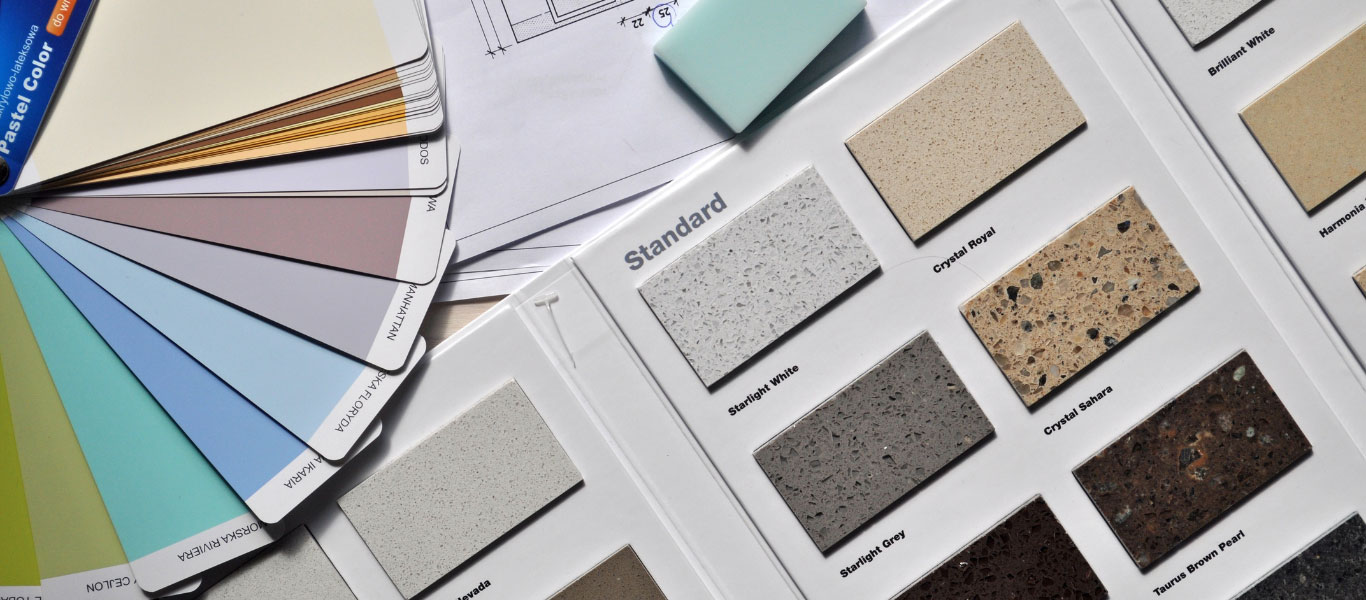
When it comes to home design, color plays a profound role in influencing our emotions, mood, and overall perception of a space. Whether you're selecting a paint color for your walls, choosing furniture, or deciding on decor accents, understanding the psychology of color can help you create an environment that resonates with your desired ambiance. In this blog post, we'll delve into the fascinating world of color psychology and explore how different hues can impact your home design choices.
Color psychology is the study of how different colors evoke specific emotional and psychological responses in humans. This phenomenon is deeply rooted in our cultural, biological, and personal experiences. Harnessing the power of color psychology in your home design allows you to craft spaces that align with your intentions and goals.
The Impact of Warm Colors
Warm colors, such as red, orange, and yellow, are known for their energetic and invigorating qualities. These hues can create a sense of warmth, intimacy, and stimulation in various areas of your home. In spaces where social interaction is encouraged, like living rooms and dining areas, incorporating warm tones can foster lively conversations and a welcoming atmosphere.

The Calmness of Cool Colors
Cool colors, including blue, green, and purple, tend to evoke feelings of tranquility, serenity, and relaxation. Bedrooms, bathrooms, and home offices can benefit from these colors, promoting a sense of calm conducive to rest, work, and self-care.

Neutrals: Versatility and Timelessness
Neutrals like white, beige, and gray serve as versatile foundations for any home design. They provide a clean canvas that can be easily customized with accents of other colors. Neutrals also exude a sense of sophistication and timelessness, making them ideal for creating a balanced and harmonious space.

Accent Colors and Their Emotional Impact
Using accent colors strategically can add depth and personality to your home. A bold red accent, for instance, can inject energy and excitement into a room, while a touch of green can bring a touch of nature and renewal. Understanding the emotional associations of various accent colors can guide your choices in achieving the desired ambiance.

Cultural and Personal Influences
Color preferences can vary greatly based on cultural backgrounds and personal experiences. It's important to consider your own associations with colors when designing your home. A color that holds positive memories or cultural significance can enhance the emotional connection you have with your living space.

Incorporating the principles of color psychology into your home design journey can lead to a more intentional and emotionally resonant living environment. By choosing colors that align with the mood and purpose of each room, you can create a harmonious and inviting atmosphere that positively impacts your well-being and daily experiences. Whether you're seeking a cozy retreat or an energizing space, harnessing the power of color can transform your house into a home that truly speaks to you.
Paula Burrows
MANAGING BROKER