Published July 28, 2023
Recession vs. Housing Crisis: Understanding the Difference

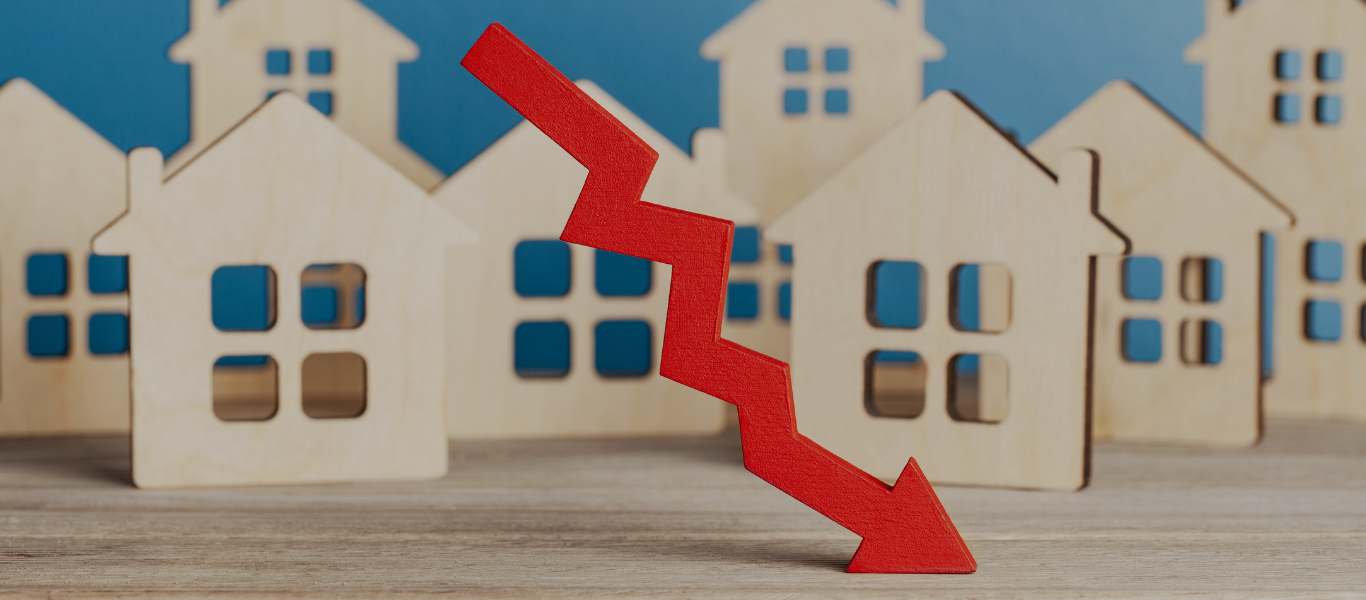
It's not uncommon for people to feel a sense of unease whenever there's talk of a recession or a housing crisis, especially considering that homeownership accounts for a quarter of an American household's net worth. While the two terms are often used interchangeably, it's important to understand that they don't necessarily go hand in hand.
Here's a closer look at what each term means, and how they differ from each other.
Recession vs Housing Crisis: A Brief Overview
A recession refers to a period of economic decline that lasts for more than a few months. It usually impacts income and employment levels and can be triggered by various factors. On the other hand, a housing crisis, which can occur during a recession, is not always the root cause of an economic downturn. It often comes about due to issues specific to the housing market, such as a sudden increase in the cost of homes, a drastic drop in prices due to an oversupply, or an imbalance in the market caused by a sudden influx of people into a particular area.

The 2008 Financial Crisis vs The Current Market Scenario
The 2007-2008 market crash serves as a clear example of a recession and a housing crisis happening simultaneously. The collapse of the housing market created a ripple effect that led to a recession lasting several years. The housing crisis was primarily caused by a relaxation in the qualification criteria for subprime mortgages, leading to an increase in foreclosures and a crash in housing values.
However, significant changes have taken place in the housing market since the 2008 crisis. The Consumer Financial Protection Bureau has implemented stringent regulations and scrutiny on subprime lending, ensuring borrowers face stricter qualification criteria. These measures are designed to prevent a repeat of the market meltdown experienced in the past.

Impact of a Recession on the Housing Market
Contrary to popular belief, home prices don't necessarily fall during a recession. In fact, during four of the last six recessions since 1980, home prices appreciated. On the flip side, mortgage rates typically do fall during a recession, which can make it a favorable time for buyers.

The Role of Housing Inventory
One of the lasting effects of the 2008 housing crash has been a shortage of nearly four million homes, creating a supply-demand imbalance. This keeps housing activity high, despite rising interest rates and home prices. However, should a recession occur, it could lead to an increase in housing inventory and possibly a decrease in housing values.
The Future of the Housing Market
Given the current market trends and the stringent lending guidelines, industry professionals believe that a housing market crash is highly unlikely. Even though high mortgage rates may decrease housing demand, they are more likely to moderate home prices rather than cause a significant crash.

Whether you're looking to buy or sell, it's always a good idea to speak to a real estate agent to explore your options and make an informed decision.
Paula Burrows
MANAGING BROKER