Published December 7, 2023
Owning an Older Home: Charm and Challenges

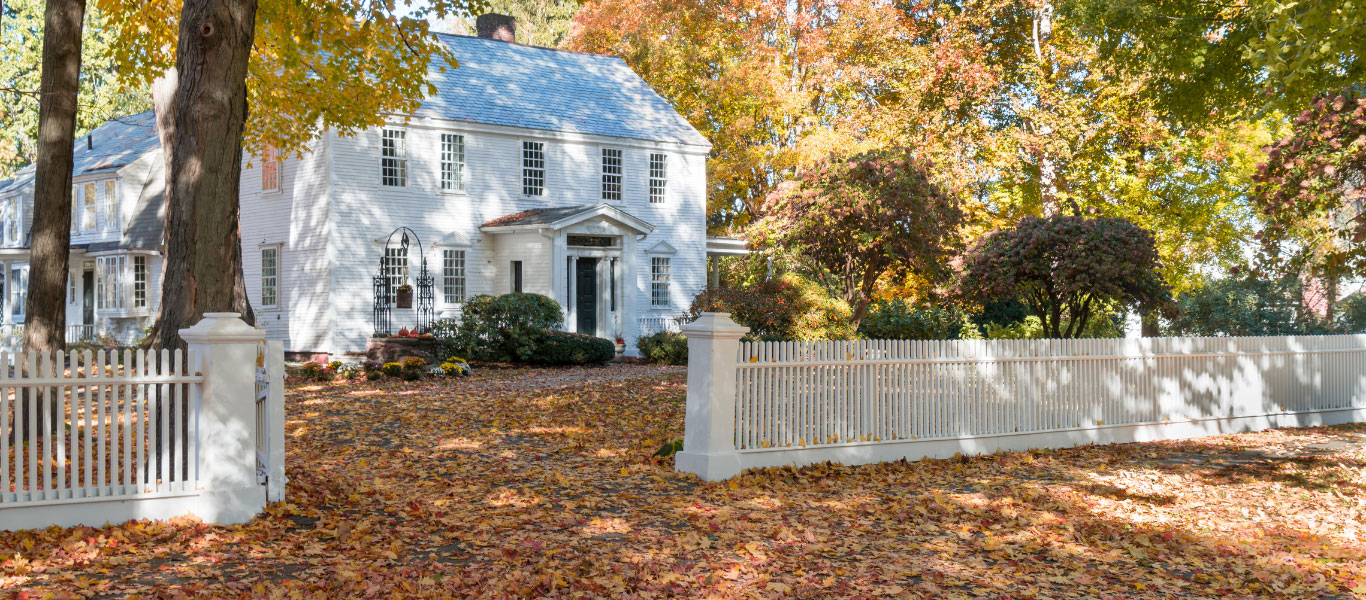
There's a certain charm and character to older homes that simply can't be replicated in modern construction. But before you fall head over heels for a vintage Victorian or a charming Craftsman, it's important to consider the potential challenges of owning and maintaining such a property.
Plumbing: A Ticking Time Bomb?
Older homes often have outdated plumbing systems that may not meet modern building codes. This can lead to a number of problems, including:
- Lead pipes: Lead was commonly used in plumbing systems before it was banned in 1978. Lead exposure can cause serious health problems, especially for children.
- Galvanized pipes: These pipes are susceptible to corrosion and breakage, leading to leaks and potential water damage.
- Polybutylene pipes: This type of pipe was introduced in the 1970s as a cheaper alternative to copper, but it was later found to be prone to cracking and leaks.
- Hidden issues: Old plumbing systems often have problems that are not visible to the naked eye, such as failing sewer lines, outdated fixtures, and poorly done repairs.
Addressing these plumbing issues can be expensive, so it's important to factor in potential repair costs when considering an older home.

Electrical Woes: A Safety Hazard
Older homes may have electrical systems that are not up to code, posing safety hazards. Here are some potential issues:
- Knob-and-tube wiring: This outdated wiring system was common before the 1940s and is considered unsafe by modern standards. It's important to have it replaced with a modern system.
- Ungrounded outlets: Older outlets may not be grounded, which can leave you vulnerable to electric shock.
- Overloaded circuits: Modern homes often have more electrical devices than older homes, which can overload circuits and lead to fires.
Upgrading your electrical system can be expensive, but it's an essential investment for safety and peace of mind.

Lead Paint Lurking
If your home was built before 1978, there's a high chance it has lead paint. Lead paint can cause serious health problems, especially for children. If you suspect your home has lead paint, it's important to have it tested and safely removed by a qualified professional.

Asbestos Abatement
Asbestos was commonly used in building materials until it was banned in 1989. If your home was built before this date, it may contain asbestos, which can cause serious health problems if inhaled. If you're concerned about asbestos, it's important to have your home tested and abated by a professional.
Foundation Concerns
The foundation of an older home may be cracked, leaning, or sunken, requiring costly repairs. Even small cracks can be a sign of serious problems, so it's essential to have a qualified professional inspect the foundation before purchasing an older home.

Despite the potential challenges, owning an older home can also be incredibly rewarding. These homes often have unique architectural features, high-quality craftsmanship, and a sense of history and character that you won't find in newer construction.
If you're considering an older home, it's important to do your research, budget for potential repairs, and hire qualified professionals to inspect the property before you buy. With careful planning and preparation, you can enjoy the charm and character of an older home without experiencing any unexpected surprises.
Paula Burrows
MANAGING BROKER